
The Untapped Potential of Palm Shells
The palm oil industry generates vast amounts of agricultural waste, primarily in the form of palm shells. Traditionally viewed as a disposal challenge, these hard, fibrous shells are now recognized as a valuable biomass resource. Their high density and caloric value make them an ideal feedstock for carbonization, a process that can transform this waste into high-value, eco-friendly products, contributing to a circular economy and reducing the environmental footprint of palm oil productio
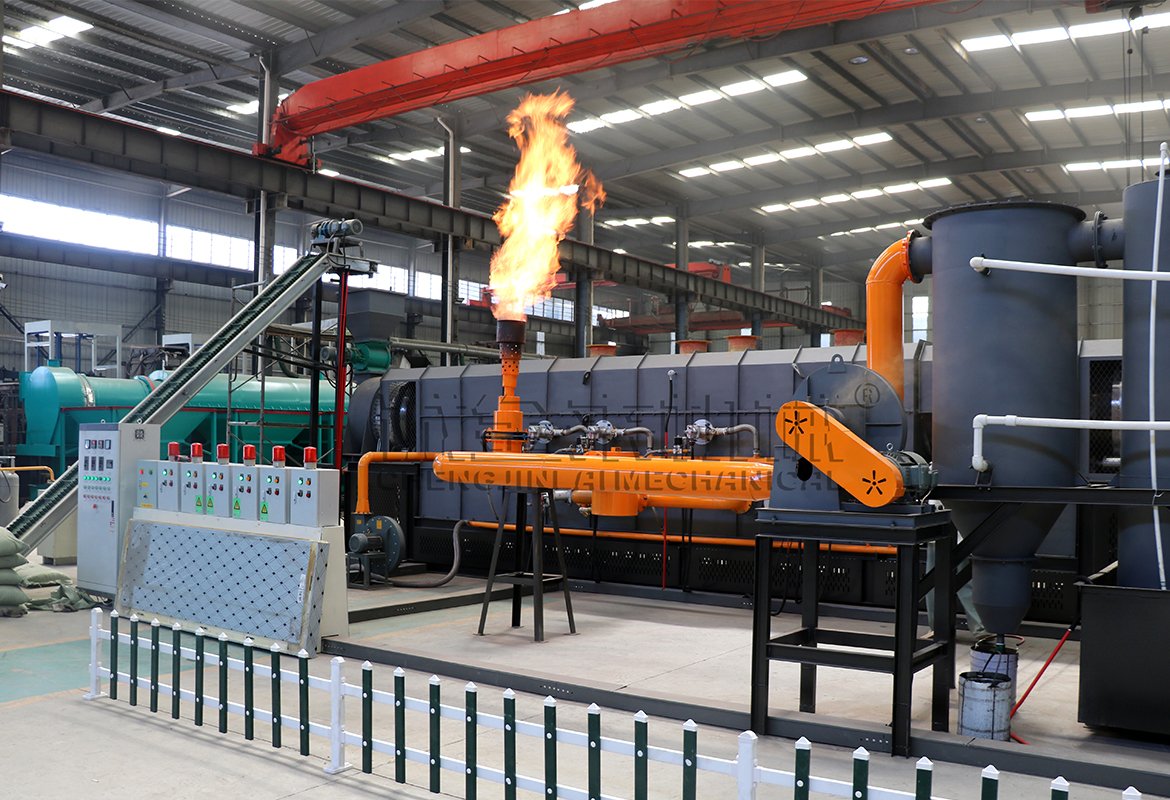
The palm kernel shell charcoal making machine converts agricultural waste palm kernel shells into high-value biochar. It plays a significant role in energy supply, environmental protection, and industrial development. The biochar production equipment utilizes pyrolysis technology to process waste biomass, opening up a new approach to waste treatment.
Palm kernel shells are the shredded shells left after the palm kernels are removed from the palm oil mill. They are fibrous, contain relatively low water content (11%-13%), low ash content (2-3%), and contain 20-22% pure carbon (fixed carbon). Charcoal made from palm kernel shells is high-quality due to its lignocellulosic content. Furthermore, it produces approximately 20.093 kilojoules/kg more heat energy than regular charcoal.

Production: The Carbonization Process
The transformation of raw palm kernel shells into high-quality charcoal is achieved through a controlled process called carbonization, or more precisely, pyrolysis. In this process, the biomass is heated to high temperatures (typically between 400°C and 700°C) in an oxygen-limited environment. This exclusion of oxygen prevents combustion, instead driving off moisture and volatile organic compounds. The result is a stable, carbon-dense charcoal. Modern production utilizes advanced continuous carbonization furnaces, which enhance efficiency by capturing and reusing the combustible syngas produced during the process to sustain the heating, creating a closed-loop, energy-efficient system.

Versatile Applications of Palm Kernel Shell and Its Charcoal
The utility of palm kernel shells spans both its raw and processed forms.
-
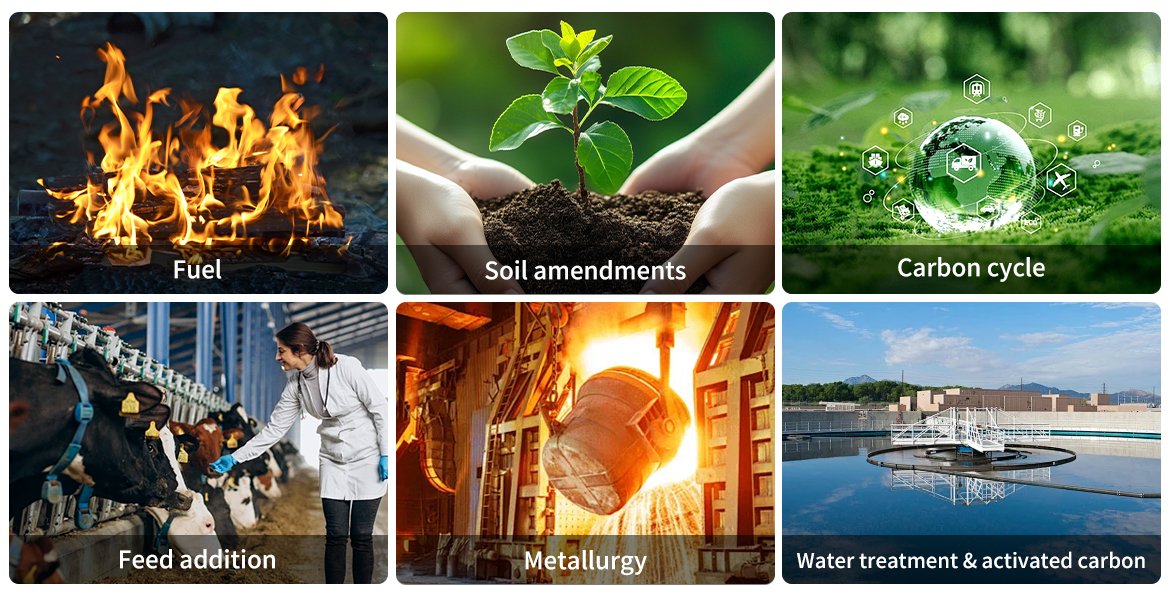
As a Raw Biomass Fuel (PKS): Directly, the shells are a excellent solid biofuel for industrial boilers to generate steam and electricity, particularly within palm oil mills themselves.
-
As PKS Charcoal: The carbonized product has broader applications. It serves as a premium fuel for cooking and heating, burning hotter, longer, and with less smoke than wood charcoal. Its high fixed carbon content and inherent porosity also make it the ideal precursor for manufacturing high-grade activated carbon, used extensively in water purification, air filters, and chemical processing.
-
Other Uses: Additionally, both the shells and the resulting biochar can be used in horticulture as a soil amendment to improve fertility and water retention, and as a raw material in the production of composite materials like particleboard.
Why PKS Charcoal is a Renewable and Eco-Friendly Champion
PKS Charcoal stands out as a model of sustainable energy for several compelling reasons:
-
Circular Economy Model: It is manufactured from a waste stream of the palm oil industry, effectively upcycling a residual product and reducing the environmental burden of waste accumulation. This provides a “second life” to agricultural byproducts.
-
Carbon Neutrality: The CO2 released during its combustion is approximately equal to the amount the oil palm tree absorbed from the atmosphere during its growth. This creates a closed carbon cycle, making it far more climate-friendly than fossil fuels.
-
Reduced Emissions & High Efficiency: The carbonization process removes a significant portion of the volatile matter and moisture, resulting in a fuel that burns cleaner with substantially fewer particulates and smoke. Its high energy density and calorific value mean less fuel is required to achieve the same heat output, leading to greater efficiency and cost savings.
-
Deforestation Mitigation: By providing a viable and superior alternative to wood charcoal, the widespread adoption of PKS charcoal helps reduce the reliance on timber from forests, thereby helping to combat deforestation and preserve biodiversity.
 Conclusion and Business Opportunity
In summary, Palm Kernel Shell Charcoal is more than just a fuel; it is a testament to sustainable innovation. It transforms an agricultural residue into a renewable, high-efficiency, and low-emission energy source, aligning perfectly with global circular economy and carbon reduction goals.
For entrepreneurs and existing mills, this presents a significant business opportunity. Establishing a PKS charcoal production line not only adds substantial value to a low-cost feedstock but also positions a business at the forefront of the green energy sector.
Partner with a Professional Manufacturer
As a leading manufacturer of advanced carbonization solutions, WE provide state-of-the-art charcoal production machines engineered specifically for biomass like palm kernel shells. Our systems are designed for maximum efficiency, durability, and ROI. If you are considering starting a profitable and sustainable palm kernel shell charcoal business, we are your ideal technology partner.
Contact us today to learn more about our machines and how we can support your project from conception to operation.
